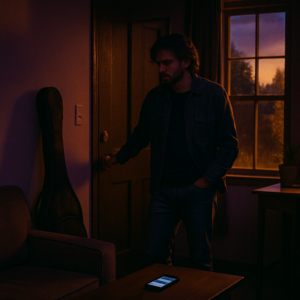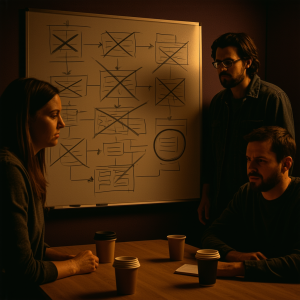
Tuesday night. 11:03 PM. I’m sitting on the couch with the lights off and a controller in my hands, and for the first time in what feels like actual months, I have cleared the decks. No Friday Priya resignation threat brewing. No Yusuf sending me Slack messages about why we absolutely need to migrate to some framework I’ve never heard of. No Marcus apologizing preemptively in a PR comment about code he hasn’t even written yet. Dex is still stuck on his refactor, but that’s Dex’s permanent condition at this point, and I’ve made peace with it the way you make peace with a relative who will never change.
I boot up Cyberpunk 2075. The game loads. I’m forty hours in—again—and I’m not doing the storyline properly this time either, but at least I’m here. At least I’m sitting down. My character is standing in some neon-soaked street corner in Night City, and I’m actually playing, actually focused, and it’s only 11:15.
By 1:47 AM, I’m fully invested. I’ve stolen a car. I’ve had a small firefight with some corpo security that I technically didn’t need to have. I’ve picked the lock on a door I probably wasn’t supposed to pick. This is the stuff I love about games—they let you try things that have actual consequences, and you can load a save if you mess up. No all-hands meeting about what went wrong. No postmortem. Just try again.
(Corporate life could learn something from open-world game design. Nobody has ever said, “per my last save-state, this was already handled.” Though I have wanted to.)
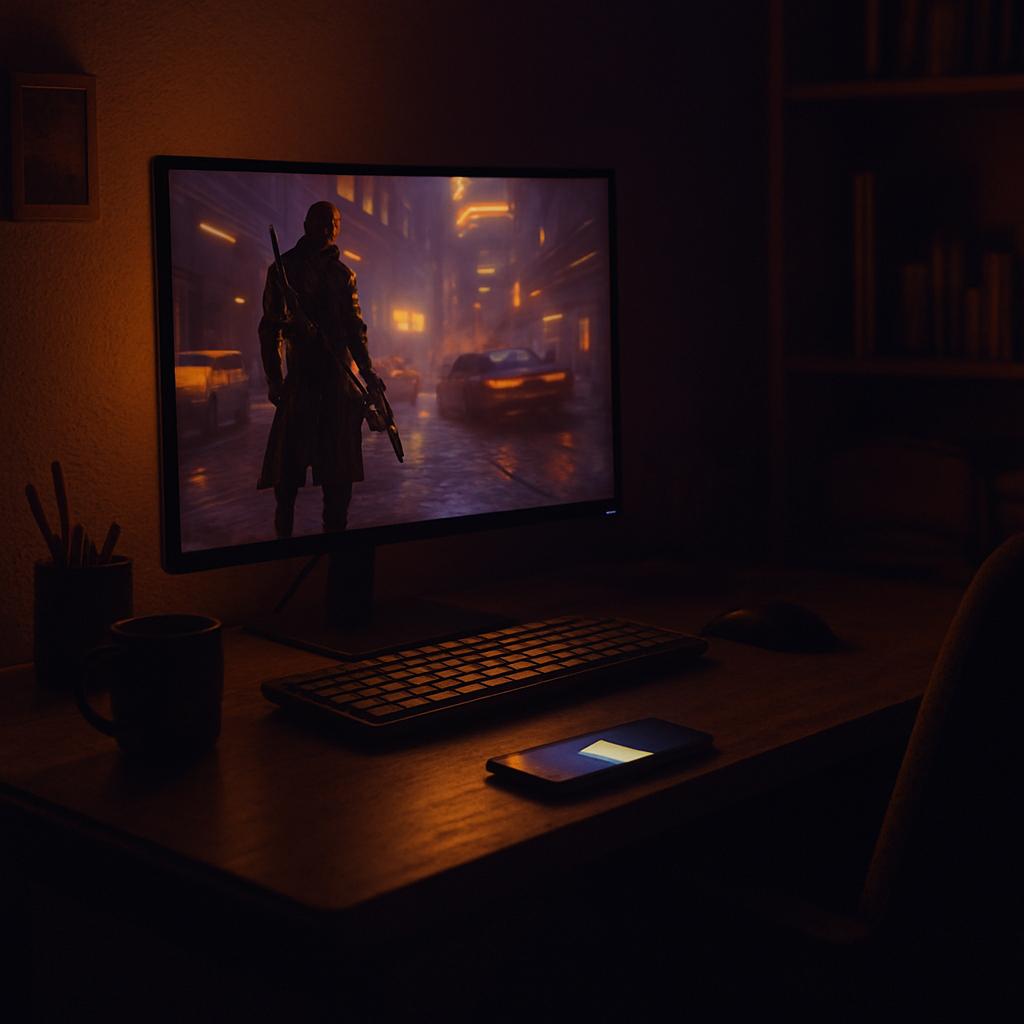
My phone lights up. 2:04 AM.
Monitoring Alert — 2:04 AM
Severity: Low (not critical)
Likely outcome: Resolves itself, or waits until morning
My response: I pick up the phone anyway
I know it’s nothing the second I read the notification. I pick up the phone anyway.
This is the part I hate about myself. This automatic reach. This reflex that I’ve built into my nervous system through three years of being the person responsible for whether the site stays up or goes down. I’m not on-call tonight. I’m not technically responsible for this. But some part of my brain—the part that remembers being woken up at 4 AM because someone didn’t escalate something that got worse—can’t let it sit.
I open the monitoring dashboard. I read the alert. I read the details. I wait for a second alert that doesn’t come. I refresh. Nothing. I check the logs. Everything is normal. The alert was… a false positive. A blip. Exactly the thing I could have seen in the morning with a coffee and a clear head.
But now I’m awake. Now my brain is running on adrenaline and the knowledge that I’m supposed to be sleeping, and the game on pause behind me is basically worthless. I spend the next hour doing the thing you do when you’ve woken yourself up at 2 AM with a work problem—I can’t quite go back to bed, but I can’t quite focus either. I check Slack. Nothing urgent. I refresh the monitoring dashboard three more times. All clear. I think about Marcus and whether he’s going to keep apologizing in PRs for the rest of his life, which is a thought that is completely unhelpful at 3 AM.
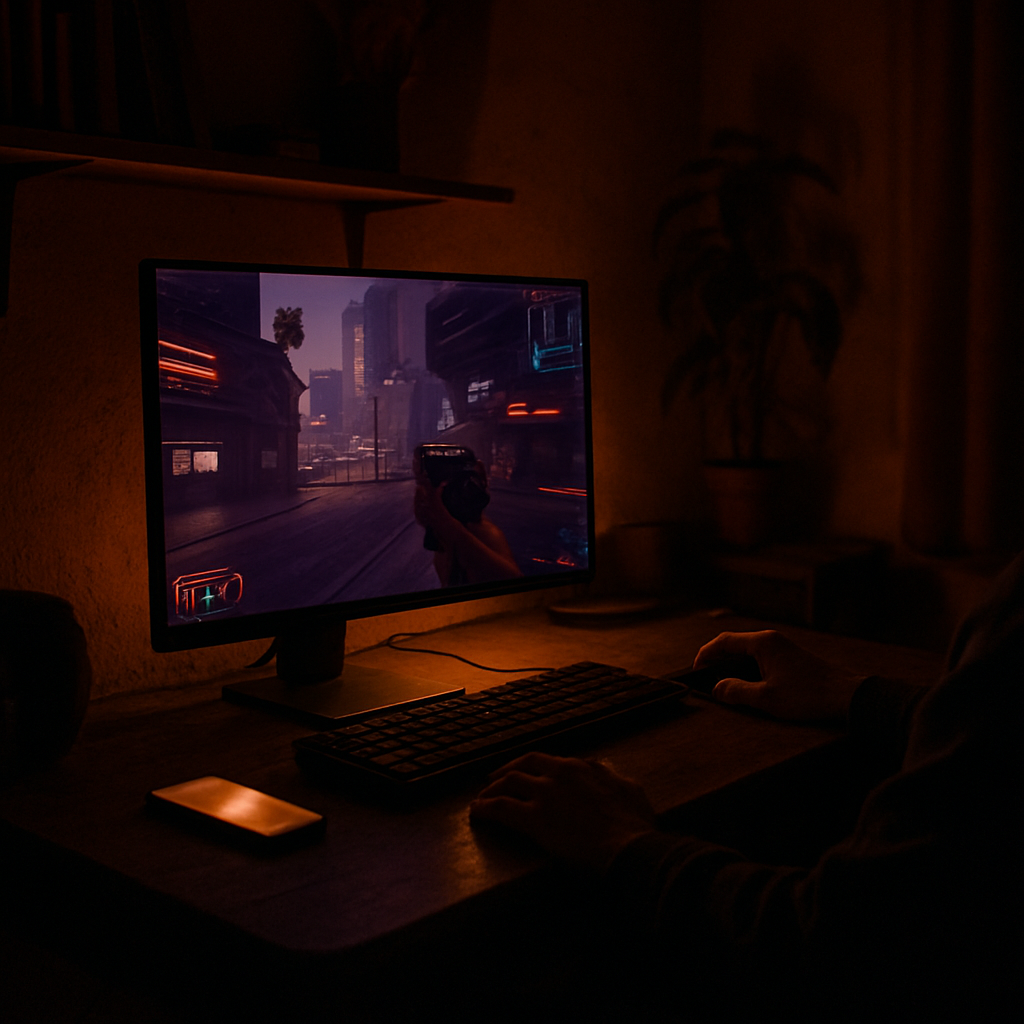
By 3:45, I give up and just go to bed, but I don’t sleep—I wait for sleep while staring at the ceiling thinking about the fact that I’m the person who is always checking his phone, and then I’m the manager who wonders why his team acts like every Slack message is an emergency that needs a response in the next five minutes.
Wednesday at 9 AM, I’m on a call with my VP, Nadine, talking about staffing and burnout and retention, which is ironic given that I spent the first forty-five minutes of consciousness feeling like my skull was made of wet cardboard.
“The developers say they feel like they’re always on,” Nadine says. “Like there’s no boundary between work and life.”
I think about checking a non-critical alert at 2 AM. I think about my team probably doing the same thing because they’ve watched me do it a hundred times.
“Yeah,” I say. “I think I know where that comes from.”
By Thursday, I’ve implemented an actual on-call rotation. Real boundaries. A documented rule: if it’s not actively breaking production, it waits until morning. No exceptions, no “but what if,” no reaching for the phone out of reflex. I tell the team about it in standup. I tell them I’m the first person who has to follow it. I mean it.
Friday night, I play for exactly one hour. Just sixty minutes before I force myself to close the laptop. It’s not much. By normal standards, it’s barely anything. But it’s the first full hour I’ve been present for anything that wasn’t work in longer than I want to admit, and when I step away from the couch, I feel something I haven’t felt in a while.
Rested. Actual rested. Not “okay I can function,” but genuinely restored. Like I’m a person who has things I care about outside of spreadsheets and deployment logs.
What I Learned
(And What You Can Steal From It)
My mistake wasn’t staying up late. My mistake was thinking that checking my phone at 2 AM was somehow protecting something important, when really all it did was train my nervous system to believe that every notification was equally urgent, and train my team to expect the same from themselves. The alert wasn’t important. My sleep was. But I’d spent so long being “responsible” that responsibility had become indistinguishable from panic.
“The alert wasn’t important. My sleep was.”
If you freelance, you’ve had this exact conversation, except the alert is a client text at 10 PM asking if you “got a chance to look at” something they sent at 8:47 that evening. You know that replying right then resets the bar forever. You know that the next message will come at 11 PM, and the one after that even later. But something in you—the same thing that made me check monitoring—reaches for the phone anyway, because what if it’s important? What if they think you don’t care?
The thing that actually held up for me wasn’t a vague promise to “unplug more.” It was a specific, written rule that I told other people about first, so I couldn’t quietly break it when panic whispered in my ear. You need the same thing. Not “I’ll answer client emails during business hours,” but “I respond to client messages by 10 AM the next business day, and anything after 6 PM is handled the morning after.” Write it down. Tell your client. Stick to it even when—especially when—you’re scared.
This week, write down your actual boundaries around when you’re available. Not when you’re technically working—when you’re actually available to respond. Then put that in your email signature or your client onboarding doc. One sentence. Make it real.
About The Paul Bear Files
Paul Bear is a middle manager in IT who would rather be playing Cyberpunk 2075 or rehearsing with his band. This is a recurring series about the specific, unglamorous chaos of managing people, projects, and the part of yourself that never quite clocks out. New stories appear weekly at Broke Boss.
About This Article

Written by Kyle Bamboo. Kyle Bamboo spent eleven years running engineering teams before a layoff and one very bad quarter made him his own boss overnight. The Broke Boss is where he writes down what nobody told him: how to price work, how to chase an invoice at 11pm, and how to survive being broke and booked out in the same month. Radical honesty over highlight reels — real numbers, real failures, real timelines. More about this site.
Scope and limits. Kyle writes from his own experience going self-employed, not as a financial advisor, CPA, or attorney. Tax treatment and business rules depend on your situation and your state — confirm anything consequential with a professional before you act.
Verify this against a primary source
Specifics change, and your situation may differ from the one described here. These are the authorities worth checking directly:
- IRS Self-Employed Tax Center — self-employment tax, estimated payments and deductions
- U.S. Small Business Administration — business structure, funding and planning
- Consumer Financial Protection Bureau — consumer credit and debt guidance